Pantheon Pal
Read the Greek and Roman myths without losing track of who's who.
Why I made this
Apollo. Phoebus. The Delian God. The son of Latona. Same god, four names, and that's just one page of Ovid.
I kept stopping to look things up, so I built the friend I wanted beside me while reading: one who knows everyone's names, families and haunts.
What it does
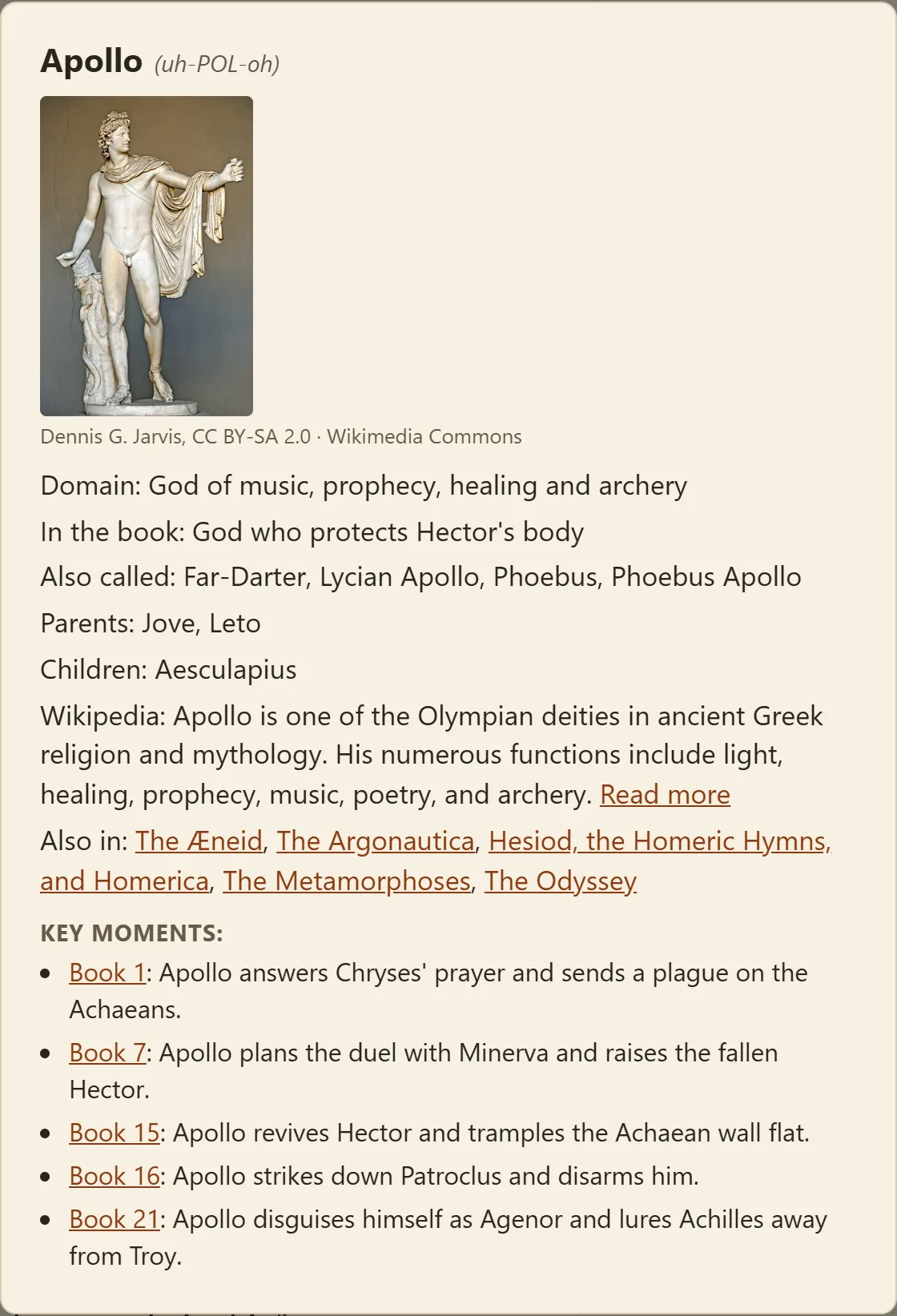
Who's who
Tap any name for a profile: every name they go by, their family, their big moments.
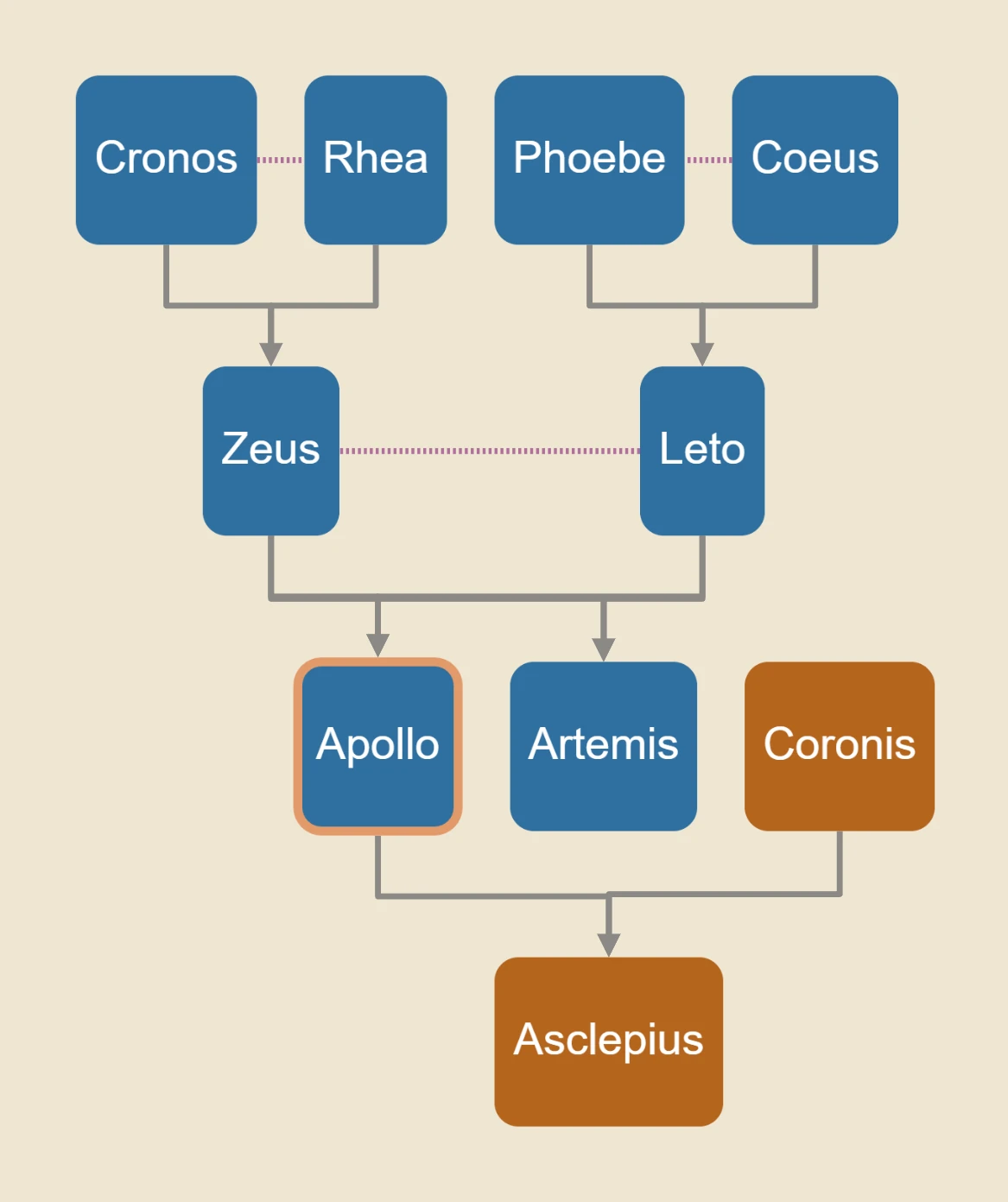
Family trees
See how everyone's related, for the part you're reading right now.
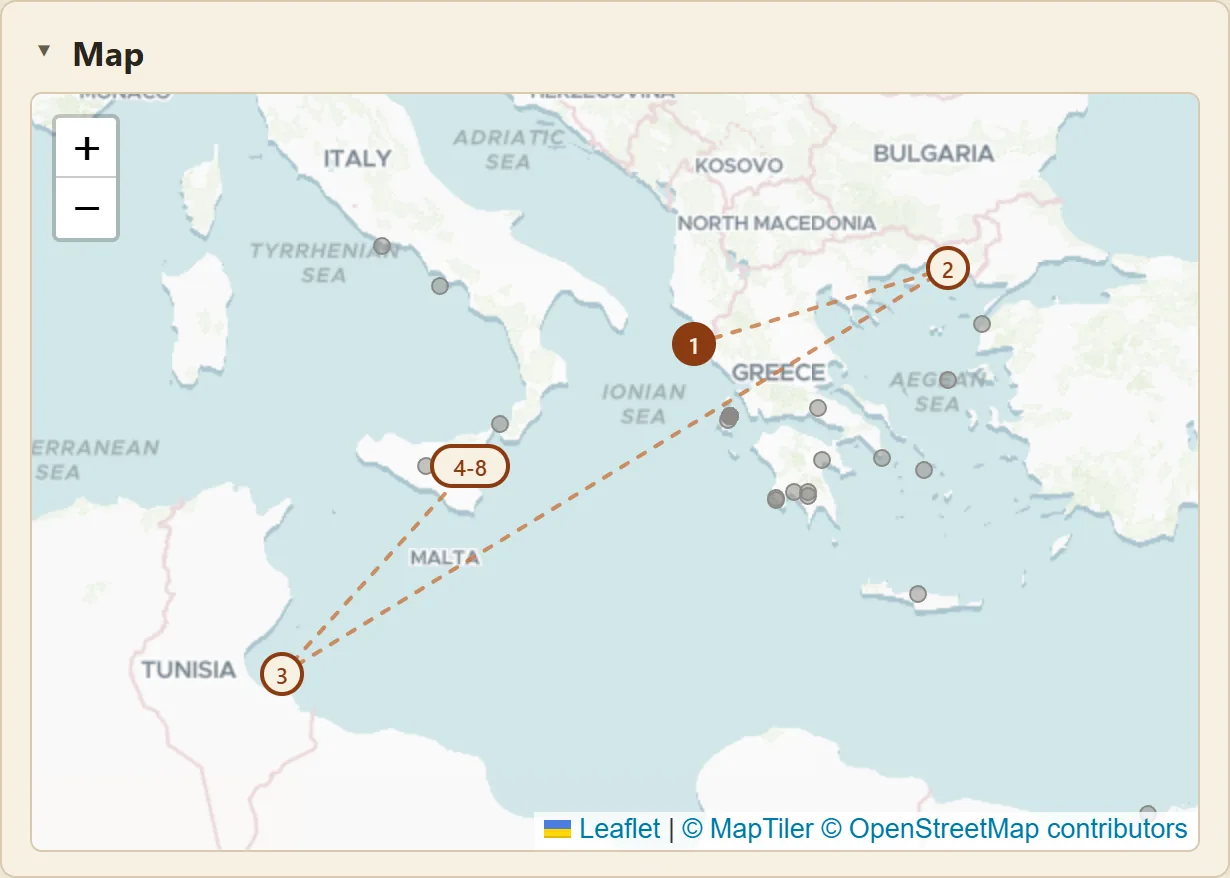
Maps
Where each scene happens, from Troy to the edge of the underworld.
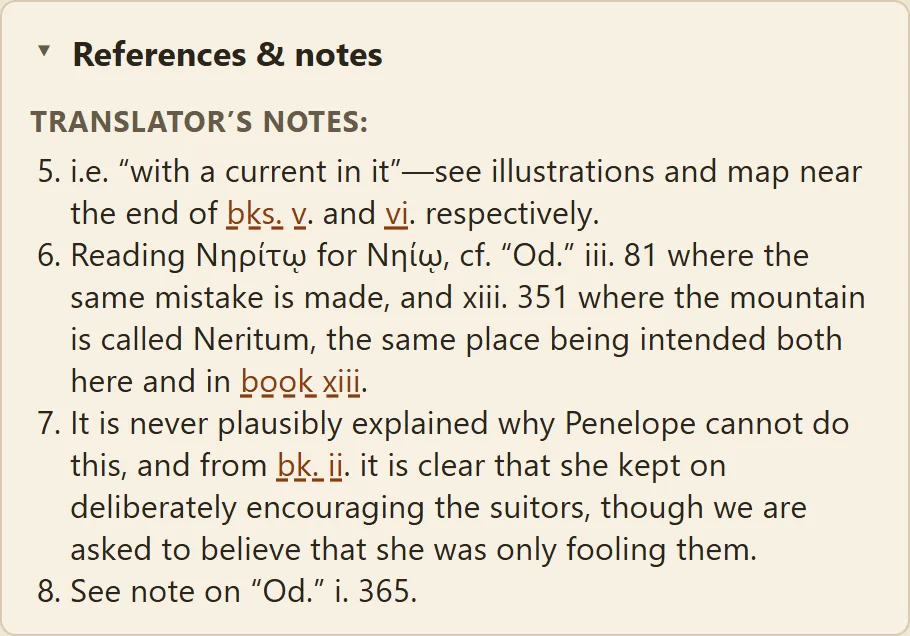
Notes beside the text
Odd words, allusions and the translator's own footnotes, a tap away.
See it in action
Who it's for
- Curious first-timers
- Students with a reading list
- Book clubs
- Anyone who's put down a myth because of the names
No Greek or Latin needed. No sign-up. Free.
Where to start
Fourteen books is a lot. Pick a path:
New to the myths?
One hero, one journey, then the myths themselves one story at a time.
- The Odyssey (Homer)
- The Metamorphoses (Ovid)
The whole Trojan War, in order
From the quarrel at Troy to the founding of Rome.
- The Iliad (Homer)
- The Fall of Troy (Quintus Smyrnaeus: what happens between the two Homers)
- Agamemnon (Aeschylus: the king comes home)
- The Odyssey (Homer)
- The Æneid (Virgil)
Where the gods come from
The family of the gods first, then the ancient handbook to every myth.
- The Theogony (Hesiod)
- The Library (Apollodorus: dense, so look things up rather than read it straight through)
Prefer plays?
Short, sharp and made for the stage.
- Oedipus the King (Sophocles)
- The Bacchae (Euripides)
- The Oresteia (Aeschylus: Agamemnon, the Libation-Bearers, the Eumenides)
All 14 books
Epic poems
Myths and handbooks
Plays and poems
A quick, honest note
The background (summaries, history, who's who) comes from Wikipedia and Wikidata, written by people who know these myths. AI did the grunt work of combing through the books, so mistakes slip in. Spot one? Tell me on GitHub. Pantheon Pal is open source.
Pantheon Pal is free and always will be. If it saved you a few trips to the index, you can buy me a coffee.